



Snake Plant Dubai: The Complete Guide to the UAE's Favourite Houseplant

Ask any experienced plant lover in Dubai to name the single best houseplant for the UAE's conditions and the answer is almost always the same: the snake plant.
It is not a coincidence. The snake plant — known botanically as Sansevieria trifasciata and increasingly reclassified as Dracaena trifasciata — has earned its reputation as Dubai's favourite houseplant through consistent, outstanding performance across every criterion that matters in the UAE's unique indoor environment. It survives air conditioning, tolerates low light, purifies the air day and night, requires watering only every few weeks, and maintains its sharp, architectural elegance indefinitely — all without demanding anything particularly difficult from its owner.
But the snake plant is far more than just a survivor. In the right setting, with the right variety and the right pot, a snake plant is genuinely beautiful — a bold, sculptural presence that elevates any interior from a Dubai studio apartment to a corporate boardroom.
This is the complete guide to snake plants in Dubai — covering everything from the science of their air purifying properties to the full range of varieties available, a detailed UAE-specific care guide, common problems and how to solve them, and where to buy snake plants online in Dubai.
Why the Snake Plant Is Perfect for Dubai
To understand why the snake plant performs so exceptionally well in Dubai's indoor environment, it helps to understand where it comes from. Snake plants are native to the arid, rocky regions of West Africa — environments characterised by intense heat, strong sunlight, poor soil, and extended dry periods. They evolved specifically to thrive in exactly the conditions that challenge most other houseplants.
Dubai's indoor environment — sealed against the heat, dried by continuous air conditioning, lit by strong but directional window light — is in many ways analogous to the snake plant's natural habitat. Where other tropical houseplants struggle with the dry air and irregular watering that Dubai apartment life often involves, the snake plant is genuinely in its element.
The snake plant's Dubai credentials:
Drought tolerance. Snake plants store water in their thick, fleshy leaves — a survival adaptation from their arid native environment. This means they can go 2–4 weeks between waterings without any stress, making them ideal for Dubai residents who travel frequently or simply have busy lives.
Air conditioning tolerance. The dry, cool air produced by Dubai's ubiquitous air conditioning systems is stressful for many tropical houseplants. Snake plants are completely unbothered — they evolved in dry conditions and handle low humidity with ease.
Light adaptability. While snake plants appreciate bright indirect light, they are among the most light-tolerant houseplants available — genuinely capable of growing (albeit more slowly) in quite dim indoor conditions. This makes them suitable for interior rooms, hallways, and office spaces that receive little natural light.
Night-time oxygen production. Most plants perform photosynthesis during the day and switch to releasing carbon dioxide at night. Snake plants — along with a small number of other succulents — use a different photosynthetic pathway (CAM photosynthesis) that allows them to continue producing oxygen after dark. This makes them uniquely suitable for bedroom placement, where improving overnight air quality has direct benefits for sleep.
Pest resistance. Snake plants are naturally resistant to most of the common houseplant pests that Dubai's warm indoor environment encourages — spider mites, mealybugs, and fungus gnats rarely trouble healthy snake plants.
Snake Plant Varieties Available in Dubai
One of the most exciting aspects of snake plants is the extraordinary variety available. What many people think of as a single plant is actually a large family of species and cultivars — ranging from compact desktop plants to dramatic floor-standing specimens, in a wide range of colours, patterns, and forms.
Sansevieria trifasciata 'Laurentii' — The Classic
The most recognisable snake plant variety — tall, upright leaves with dark green horizontal banding and distinctive golden-yellow margins. The Laurentii is the variety most people picture when they think of a snake plant and remains one of the most popular indoor plants in Dubai for good reason. Architectural, bold, and timelessly elegant.
Sansevieria trifasciata 'Moonshine' — The Silver Beauty
A striking variety with broad, upright leaves in a luminous silver-grey green — almost glowing in good light. The Moonshine snake plant is one of the most visually distinctive varieties available and works beautifully in modern, minimalist Dubai interiors where its cool, silvery tones complement contemporary design palettes.
Sansevieria trifasciata 'Black Gold' — Dark Drama
Similar in form to the Laurentii but with deeper, darker green leaves and a more pronounced golden margin. The Black Gold creates a dramatically rich, luxurious impression — a particularly good choice for upscale Dubai homes and corporate office environments.
Sansevieria 'Futura Robusta' — Compact and Contemporary
A shorter, wider-leaved variety with silver-green horizontal banding and no yellow margin. More compact than the standard trifasciata varieties, the Futura Robusta is an excellent choice for smaller Dubai apartments where floor space is limited.
Sansevieria trifasciata 'Hahnii' (Bird's Nest Snake Plant) — Desktop Delight
A dwarf variety that grows in a compact, rosette formation rather than the tall, upright habit of standard snake plants. The bird's nest snake plant reaches only 15–20cm in height — perfect for desks, windowsills, shelves, and small spaces in Dubai apartments and offices. Available in standard green, golden variegated, and silver varieties.
Sansevieria cylindrica — The Architectural Cylinder
A species rather than a cultivar, Sansevieria cylindrica produces distinctive round, cylindrical leaves that grow in an architectural fan formation. It has a dramatically different appearance from the flat-leaved trifasciata varieties — more sculptural, more unusual, and increasingly popular among design-conscious Dubai plant collectors. Available braided (with the cylindrical leaves woven together) or in the natural fan formation.
Sansevieria 'Whale Fin' (Sansevieria masoniana) — The Collector's Statement Piece
One of the most dramatic snake plant varieties available, the whale fin produces single enormous leaves — up to 90cm wide and 150cm tall — that genuinely resemble a whale's fin emerging from the soil. A single whale fin snake plant in a quality ceramic pot makes an extraordinary statement in a Dubai living room or reception area. Increasingly sought-after by Dubai's growing plant collector community.
Sansevieria trifasciata 'Twisted Sister' — Playful and Unique
A compact variety with distinctively twisted, golden-edged leaves that spiral upward in a playful, energetic formation. The Twisted Sister brings movement and personality to a plant that is sometimes perceived as austere — an excellent choice for less formal Dubai interiors.
Snake Plant Care in Dubai — The Complete UAE Guide
Despite the snake plant's legendary resilience, understanding its care requirements properly helps you get the very best from it — maximising both its health and its aesthetic impact in your Dubai home or office.
Watering — Less Is Almost Always More
Overwatering is the snake plant's only significant vulnerability — and it is the most common cause of snake plant death in Dubai. Root rot caused by excessive moisture is far more dangerous to a snake plant than drought.
Watering schedule for Dubai:
- Summer (May–September): Every 2–3 weeks. Dubai's heat means soil dries faster even indoors, but the snake plant's water-storing leaves mean it still needs infrequent watering.
- Winter (October–April): Every 3–5 weeks. Growth slows significantly in cooler months and water requirements decrease accordingly.
- The finger test: Before watering, push your finger 3–4cm into the soil. If there is any moisture at all, wait. Water only when the soil is completely dry to that depth.
- Watering method: Water thoroughly until water flows freely from drainage holes, then allow to drain completely. Never leave a snake plant sitting in a saucer of water.
Signs of overwatering: Soft, mushy leaves at the base; yellowing leaves; a foul smell from the soil; leaves falling over rather than standing upright.
Signs of underwatering: Wrinkling or curling leaves; dry, shrivelled leaf edges; very lightweight pot when lifted.
Light — Adaptable but Appreciative
Snake plants are among the most light-tolerant houseplants available — but this tolerance should not be confused with a preference for low light. Like all plants, snake plants grow best and look their finest in good light.
Ideal light for snake plants in Dubai:
- Best position: Bright indirect light — near a window but out of direct harsh sunlight. An east-facing window providing gentle morning sun is ideal.
- Acceptable positions: Medium indirect light, including positions several metres from a window. Growth will be slower but the plant will remain healthy.
- Avoid: Prolonged direct afternoon sun through south or west-facing windows — can scorch leaves, particularly in Dubai's intense summer sunlight.
- Low light: Snake plants can survive in quite dim conditions — hallways, interior rooms — but growth will be very slow and the plant may lose some of its variegation over time.
Soil — Drainage Is Everything
Given the snake plant's primary vulnerability to overwatering, soil drainage is critical. The ideal potting mix for snake plants in Dubai:
- A quality succulent or cactus potting mix, or
- A standard potting mix amended with 30–40% perlite to dramatically improve drainage
Never use heavy, moisture-retaining potting mixes for snake plants — the risk of root rot is simply too high, particularly in the sealed containers typical of Dubai apartment living.
Pots — Always With Drainage Holes
Snake plants must always be grown in pots with drainage holes. Without drainage, excess water accumulates at the bottom of the pot and the risk of root rot is severe. If you want to use a decorative pot without drainage holes, use it as a cachepot — place the snake plant in a well-draining nursery pot inside the decorative outer pot, and always remove the inner pot to drain thoroughly after watering.
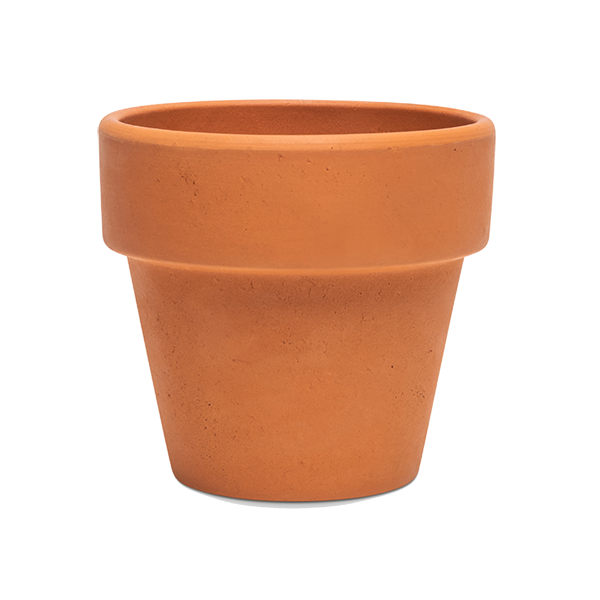
Terracotta pots are particularly well-suited to snake plants in Dubai — their porosity allows excess moisture to evaporate through the pot walls, providing an additional buffer against overwatering.
Temperature and Humidity
Snake plants are comfortable across a wide temperature range — from around 10°C to 38°C — which means Dubai's indoor air-conditioned temperatures of 20–24°C are perfectly comfortable. They handle low humidity with ease and require no misting, humidity trays, or other humidity-boosting interventions — a genuine advantage in Dubai's dry indoor environment.
One caution: Avoid placing snake plants directly in the path of cold air conditioning vents. While they handle air conditioning generally, a constant cold draught directed at the plant can cause stress, particularly to the leaf tips.
Fertilising
Snake plants are light feeders — they do not require frequent or heavy fertilisation. In Dubai's conditions:
- Apply a balanced, diluted liquid fertiliser once a month during the growing season (roughly October to April in Dubai)
- Do not fertilise during summer — the plant's reduced activity means it cannot utilise additional nutrients effectively
- Never over-fertilise — excess fertiliser salts accumulate in the soil and can damage roots
A slow-release granular fertiliser applied once in October and once in February is an even simpler approach that suits the plant's modest nutritional needs perfectly.
Repotting
Snake plants prefer to be slightly root-bound — they actually perform well and look their best when their roots are comfortably filling their pot. Repot only when roots are visibly emerging from drainage holes or when the plant is physically pushing itself out of its pot.
When repotting, choose a new pot only 2–3cm larger in diameter than the current one — snake plants don't need large pots and excessive soil volume increases the risk of overwatering. Spring (October–November in Dubai) is the ideal repotting time.
Snake Plant Air Purification — The Science
The snake plant's air purifying properties are one of its most compelling attributes for Dubai apartment and office dwellers. Here is what the science actually shows:
NASA Clean Air Study (1989): The snake plant was among the plants identified as effective at removing formaldehyde, benzene, trichloroethylene, and xylene from enclosed environments — VOCs commonly found in Dubai's new-build apartments and office buildings.
Night-time oxygen production: Snake plants use Crassulacean Acid Metabolism (CAM) photosynthesis — a water-efficient pathway that allows them to keep their stomata closed during the day (reducing water loss) and open at night to absorb carbon dioxide and release oxygen. This is why snake plants are uniquely recommended for bedrooms — they contribute to air quality improvements during the hours when you are actually sleeping and breathing the same indoor air continuously.
Pollutants removed by snake plants:
- Formaldehyde — found in furniture, flooring, cleaning products, and building materials
- Benzene — found in paints, plastics, and synthetic fibres
- Trichloroethylene — found in adhesives, varnishes, and some cleaning products
- Xylene — found in paints, varnishes, and rubber products
- Nitrogen oxides — produced by gas cooking and some heating systems
For maximum air purification effect in a Dubai apartment, aim for one medium-to-large snake plant per bedroom and one or two in main living areas.
Common Snake Plant Problems in Dubai — And How to Fix Them
Yellow Leaves
Most likely cause: Overwatering — the most common snake plant problem in Dubai. Check soil moisture and drainage. If soil is consistently wet, allow to dry completely before watering again. If root rot has set in (soft, dark roots), remove affected roots, allow to dry for 24 hours, and repot in fresh, dry potting mix.
Other possible causes: Direct harsh sunlight causing bleaching; cold draught from AC vent causing stress.
Brown Leaf Tips
Most likely cause: Low humidity (common in Dubai's AC-cooled interiors), fluoride or mineral accumulation from Dubai's tap water, or physical damage. Switch to filtered water or allow tap water to sit overnight before using. Trim brown tips with clean scissors — cut at an angle to maintain the natural leaf shape.
Other possible causes: Underwatering; fertiliser burn from over-application.
Soft, Mushy Leaves at the Base
Most likely cause: Root rot from overwatering — a serious condition requiring immediate intervention. Remove the plant from its pot, trim all dark, soft roots, allow to dry for 24–48 hours, and repot in fresh, dry, well-draining potting mix. Reduce watering frequency significantly going forward.
Leggy, Pale Growth
Most likely cause: Insufficient light. Move to a brighter position. In very low light conditions, a snake plant may produce new leaves that are paler and less structured than normal — moving to better light typically resolves this.
Leaves Falling Over
Most likely cause: Overwatering (soft base), pot too large for the root system, or physical damage. Check watering frequency and pot size. Stake temporarily if needed.
Snake Plants for Dubai Offices
The snake plant is the undisputed first choice for office plants in Dubai — and for very good reasons:
Weekend and holiday survival. Dubai's office environments are often unmanned for 2–3 days over weekends and longer during public holidays. Snake plants survive these gaps without any issue whatsoever.
Artificial lighting tolerance. Snake plants grow acceptably under the fluorescent and LED lighting typical of Dubai office environments — no supplementary grow lighting required.
Professional appearance. The snake plant's upright, architectural form and consistently tidy appearance suit corporate environments perfectly — it looks sharp and intentional rather than casual.
Air quality improvement. In sealed office buildings with heavy air conditioning, the snake plant's continuous air purification makes a measurable difference to the working environment.
Low maintenance. Office plants need to survive on minimal attention from busy staff. The snake plant's needs — watering every 2–4 weeks, occasional dusting — fit seamlessly into any office maintenance routine.
Snake Plant Styling Ideas for Dubai Homes
Beyond their functional benefits, snake plants are genuinely beautiful design objects. Here are some styling ideas for Dubai interiors:
The corner statement: A large Laurentii or Black Gold snake plant in a tall, cylindrical ceramic pot placed in a living room corner creates an immediate architectural statement — adding height, structure, and life to what is often the most underutilised space in a Dubai apartment.
The bedroom trio: Three bird's nest snake plants in matching ceramic pots of graduated sizes on a bedroom dresser or windowsill create a calm, elegant composition that also improves overnight air quality.
The office desk companion: A small Hahnii or Futura Robusta on a desk or shelf brings life to a work environment without taking up significant space or demanding attention during busy working days.
The entrance statement: A tall Whale Fin snake plant in a quality fibreglass or ceramic pot creates an unforgettable first impression in a Dubai villa entrance hall or apartment foyer.
The grouped collection: Multiple snake plant varieties — mixing tall and compact, green and silver, upright and rosette — grouped together on a plant stand or shelf create a striking collector's display with exceptional visual interest.
Where to Buy Snake Plants Online in Dubai
Finding healthy, well-established snake plants in the specific varieties you want requires a nursery with genuine expertise and a well-curated stock — not just a generic online marketplace.
At Intraflora Nursery, we stock a comprehensive range of snake plant varieties suited to Dubai's indoor conditions — from classic Laurentii and Moonshine specimens to rare collector's varieties like the Whale Fin. Every snake plant is inspected before dispatch, packaged securely for Dubai's climate, and delivered with UAE-specific care guidance.
Whether you're buying your first snake plant or adding to an established collection, our team is here to help you choose the right variety and size for your specific space and needs.
Recent Posts

Plant Gifts Dubai: The Complete Guide to Giving Living Gifts That Last

Balcony Plants Dubai: The Complete Guide to Transforming Your Outdoor Space

Buy Lemon Tree UAE: The Complete Guide to Growing Citrus in Dubai and Beyond

Mango Tree Dubai: The Complete Guide to Growing, Buying & Caring for Mangoes in the UAE

Office Plants in Dubai: The Complete Guide to Greening Your UAE Workplace

Plant Nursery Al Warsan: Dubai's Green Heart & Why Intraflora Nursery Calls It Home


Succulent Plants in Dubai: The Complete Guide to Growing, Styling & Buying in the UAE

The Best Plants for the UAE Climate: The Definitive Guide for Dubai & Beyond