


Succulent Plants in Dubai: The Complete Guide to Growing, Styling & Buying in the UAE

If there is one plant category that seems almost purpose-built for life in Dubai, it is succulents. Their evolutionary story is essentially the story of survival in extreme conditions — intense heat, prolonged drought, poor soil, and relentless sun. Sound familiar? The UAE's climate, often cited as one of the most challenging in the world for gardening, is precisely the environment in which succulents have spent millions of years learning to thrive.
Yet despite this natural compatibility, succulents are often misunderstood in Dubai. Many residents assume they can be placed anywhere and forgotten entirely — and are then surprised when their succulents develop root rot, stretch toward the light, or fail to maintain the compact, jewel-like forms that make them so visually captivating. The truth is that succulents are wonderfully easy to grow in the UAE — but they do have specific requirements, and understanding those requirements is the difference between a thriving, beautiful succulent collection and a disappointing one.
This guide covers everything Dubai residents need to know about succulent plants — the best varieties for UAE conditions, detailed care guidance specific to the Gulf climate, styling ideas for Dubai homes and balconies, and where to buy quality succulents online in Dubai.
Why Succulents Are Perfect for the UAE
The compatibility between succulents and the UAE climate runs deeper than a superficial similarity of conditions. Understanding the biology behind succulent adaptation reveals exactly why they perform so well in Dubai:
Water Storage — The Succulent Superpower
The defining characteristic of all succulents is their ability to store water in specialised tissues — in their leaves, stems, or roots depending on the species. This water storage capacity is an evolutionary adaptation to exactly the kind of irregular, unpredictable rainfall that characterises arid and semi-arid environments. In practical terms for Dubai gardeners, it means succulents can go extended periods without watering without experiencing the stress that would kill most other plants.
CAM Photosynthesis — Efficient Water Use
Many succulents use Crassulacean Acid Metabolism (CAM) photosynthesis — the same water-efficient photosynthetic pathway used by the snake plant. Rather than keeping their stomata open during the day (which causes significant water loss through evaporation), CAM plants keep their stomata closed during the heat of the day and open them at night to absorb carbon dioxide. This dramatically reduces water loss — an essential adaptation in environments like the UAE where daytime temperatures and evaporation rates are extreme.
Heat and Sun Tolerance
Succulents evolved in environments with intense solar radiation — and many species actually perform better with more sun rather than less. Dubai's intense sunlight, far from being a threat to succulents, is often closer to their preferred growing conditions than the relatively modest light levels of temperate climates.
Minimal Soil Requirements
Succulents evolved in nutrient-poor, fast-draining soils — rocky desert substrates, sandy coastal environments, and thin highland soils. Dubai's native sandy soil, while challenging for most plants, is actually closer to succulents' natural substrate than the rich, moisture-retentive soils of temperate gardens.
The Best Succulent Varieties for Dubai
Echeveria — The Rosette Queen
Echeveria is arguably the most popular and widely available succulent genus in Dubai — and with good reason. Its symmetrical rosettes in an extraordinary range of colours, textures, and sizes make it one of the most aesthetically versatile plants available. From the powdery blue-grey of Echeveria elegans to the vivid pink-tipped rosettes of Echeveria 'Perle von Nürnberg' and the dramatic frilled edges of Echeveria 'Ruffles,' there is an echeveria for every taste, style, and space.
Best echeveria varieties for Dubai:
Echeveria elegans (Mexican snowball) — perhaps the most classic echeveria, producing tight, silvery-blue rosettes that maintain a beautifully compact form. One of the most heat and sun tolerant echeveria varieties — an excellent choice for Dubai's outdoor conditions during the cooler months.
Echeveria 'Perle von Nürnberg' — one of the most visually stunning echeveria varieties, with dusky purple-pink leaves that intensify in colour with more sun exposure. The pink colouration deepens beautifully in Dubai's bright light conditions.
Echeveria agavoides — produces tight, pointed rosettes in vivid green with dramatic red-tipped leaf margins. Particularly heat-tolerant among echeveria varieties — a strong performer in Dubai's outdoor conditions.
Echeveria 'Black Prince' — deep, almost black-purple rosettes that create dramatic contrast in succulent arrangements. Stunning against lighter-coloured companion succulents in mixed bowls and planters.
Echeveria 'Lola' — a dreamy, translucent pale lilac-pink variety with perfectly formed rosettes. One of the most sought-after echeveria varieties among Dubai's growing collector community.
Care in Dubai: Bright direct to indirect light. Water every 10–14 days in cooler months, every 3 weeks in summer. Excellent drainage essential. Avoid water collecting in the rosette centre — can cause rot.
Haworthia — The Indoor Succulent Specialist
While most succulents demand significant sunlight, haworthia is the exception — it evolved in the shade of rocks and other plants in its South African native habitat and genuinely prefers lower light conditions. This makes it one of the very few succulents genuinely suited to indoor positions away from windows in Dubai apartments — a significant practical advantage.
Best haworthia varieties for Dubai:
Haworthia attenuata (Zebra plant) — the most commonly available haworthia, with dark green leaves banded with white tubercles creating a zebra-stripe effect. Robust, easy-growing, and attractive.
Haworthia cooperi — one of the most extraordinary small succulents available. Its plump, translucent leaves have windowed tips that allow light to penetrate to photosynthetic tissues within — giving the plant an almost jewel-like, glass-bead appearance that is genuinely unique in the plant world.
Haworthia fasciata — similar to attenuata but with bolder, more pronounced white banding. Extremely popular and widely available in Dubai.
Haworthia truncata — produces extraordinarily unusual flat-topped leaves arranged in two rows, with translucent windows at the truncated tips. One of the most botanically fascinating haworthia species — a collector's piece.
Care in Dubai: Low to medium indirect light — one of the few succulents that should not be placed in full direct sun. Water every 2–3 weeks. Ideal for indoor positions, desks, and shelves.
Aloe — The Useful Beauty
The aloe genus encompasses far more diversity than the commonly available Aloe vera suggests — there are hundreds of aloe species ranging from compact desktop plants to substantial garden specimens, many producing spectacular flowering displays in shades of orange, red, and yellow.
Best aloe varieties for Dubai:
Aloe vera — the most widely known and practically useful aloe, producing generous quantities of the soothing gel that is genuinely effective for minor burns, skin irritation, and sunburn. Thrives in Dubai's sunny conditions and requires watering only every 2–3 weeks.
Aloe arborescens (Torch aloe) — a larger, more dramatic aloe producing multiple heads of spiky blue-green leaves and spectacular orange-red flower spikes in winter. Outstanding in Dubai garden beds and as a large container specimen.
Aloe ferox (Cape aloe) — a South African species producing a single impressive rosette of deeply serrated, blue-green leaves with spectacular orange flower spikes. More architecturally dramatic than Aloe vera and equally well-suited to UAE conditions.
Aloe polyphylla (Spiral aloe) — one of the most extraordinary plants in existence, producing leaves in a mathematically perfect Fibonacci spiral. Rare in cultivation, genuinely stunning as a specimen, and surprisingly well-suited to UAE conditions with correct drainage.
Aloe 'Christmas Carol' — a compact hybrid aloe with vivid green leaves tipped and edged in red — the red colouration intensifying with sun exposure in Dubai's bright conditions. Excellent for container displays.
Care in Dubai: Full sun to bright indirect light — most aloes thrive in Dubai's outdoor sunshine. Water every 2–3 weeks. Very well-draining soil essential. Outstanding performers in Dubai's outdoor garden and balcony conditions.
Sedum — The Versatile Ground Cover
Sedums are among the most diverse and versatile succulent genera — encompassing everything from tiny, compact rosette-forming species to taller, architectural varieties and fast-spreading ground covers. Many sedum varieties perform exceptionally well in Dubai's outdoor conditions, making them valuable for garden beds, containers, and ground cover applications.
Best sedum varieties for Dubai:
Sedum rubrotinctum (Jelly beans) — produces clusters of plump, jelly-bean-shaped leaves in green that develop vivid red tips with sun exposure. One of the most cheerful and distinctive small succulents available — perfect for shallow bowls and mixed arrangements.
Sedum morganianum (Burro's tail / Donkey's tail) — produces long, trailing stems densely packed with plump, blue-green leaves. One of the most visually dramatic trailing succulents available — spectacular in hanging planters where the long stems can cascade freely. Requires careful handling as the leaves detach easily.
Sedum 'Autumn Joy' — a larger sedum producing substantial clumps of blue-green foliage topped with flat-topped flower heads that age through pink to copper-red. Excellent for garden borders in Dubai's cooler season.
Sedum spathulifolium — a compact ground cover sedum with silver-grey, spoon-shaped leaves forming dense mats. Excellent for filling gaps between stepping stones and larger plants in Dubai garden beds.
Care in Dubai: Full sun to bright indirect light. Water every 2–3 weeks. Excellent drainage essential. Most sedums are highly heat-tolerant and perform well in Dubai's outdoor conditions.
Crassula — Architectural Forms and Long Lives
The crassula genus includes some of the most architecturally fascinating succulents available — from the perfectly stacked columns of Crassula perforata to the tree-like form of the jade plant and the geometric stacked squares of Crassula 'Buddha's Temple.'
Best crassula varieties for Dubai:
Crassula ovata (Jade plant) — one of the most long-lived and ultimately rewarding succulents available. Given time, the jade plant develops a beautiful, tree-like form with a thick, woody trunk and a dense canopy of glossy, rounded leaves. Widely considered a symbol of good fortune in many cultures. In Dubai, jade plants thrive on bright indoor windowsills and in sheltered outdoor positions during the cooler months.
Crassula perforata (String of buttons) — produces geometric stacks of triangular leaves threaded along upright stems — one of the most architecturally distinctive succulent forms available. Excellent in mixed arrangements and as a standalone desktop specimen.
Crassula muscosa (Watch chain / Rattail crassula) — produces densely packed, tiny leaves along thin stems creating a texture unlike any other plant — resembling a fine, intricate chain or watch mechanism. Fascinating as a botanical curiosity and useful as a textural contrast in mixed succulent arrangements.
Crassula 'Buddha's Temple' — produces tightly stacked, squared leaves forming perfect geometric columns — one of the most extraordinarily architectural succulent forms available. A rare collector's piece that draws immediate attention.
Care in Dubai: Bright indirect to direct light. Water every 2–3 weeks. Allow soil to dry completely between waterings. Long-lived and increasingly impressive with age.
Gasteria — The Architectural Indoor Succulent
Gasteria is a South African succulent genus closely related to aloe, producing distinctive, tongue-shaped leaves in dark green with white spots or bands, arranged in a distinctive two-ranked (distichous) formation that gives the plant a flat, architectural silhouette. Like haworthia, gasteria tolerates lower light conditions than most succulents — making it suitable for indoor positions in Dubai apartments that don't receive strong direct sunlight.
Best gasteria varieties for Dubai:
Gasteria bicolor — distinctive dark green and white spotted leaves with orange flower spikes. One of the most attractive and widely available gasteria species.
Gasteria 'Little Warty' — a compact, popular hybrid with dark green leaves covered in white bumps. An excellent desktop succulent for Dubai offices and apartments.
Care in Dubai: Low to medium indirect light. Water every 2–3 weeks. Excellent drainage essential. An underrated and extremely attractive indoor succulent for Dubai apartments.
Lithops — The Living Stones
Lithops are among the most extraordinary plants in existence — South African succulents that have evolved to look precisely like the stones and pebbles of their native habitat. This remarkable camouflage adaptation makes them genuinely difficult to spot among rocks in the wild and utterly fascinating as cultivated plants.
Each lithops plant consists of a pair of extremely succulent, partially fused leaves with a cleft at the top through which new leaves emerge annually and flowers appear in autumn. The upper surface is patterned and coloured to match specific rock types from the plant's native region — creating a natural artwork of extraordinary precision.
Care in Dubai: This is one succulent that requires specific care knowledge. Bright direct light is essential. Water very sparingly — lithops have a specific annual watering cycle tied to their growth stages, and overwatering at the wrong time causes the plant to split and rot. In summer, lithops need almost no water at all. An extraordinary and rewarding plant for the attentive Dubai succulent enthusiast.
Euphorbia — Dramatic Forms and Striking Diversity
The euphorbia genus encompasses an enormous range of succulent forms — from globe-shaped species that resemble cacti to candelabra-branching giants and the architectural medusa-headed varieties. Many euphorbias thrive in Dubai's intense sun and heat — performing beautifully as outdoor garden specimens and large indoor statement plants.
Important note: All euphorbias contain a milky white latex sap that is toxic and can cause skin and eye irritation. Wear gloves when handling and keep away from children and pets.
Best euphorbia varieties for Dubai:
Euphorbia trigona (African milk tree) — produces upright, three-ribbed stems with small leaves and short spines — one of the most architectural and impressive large succulent-like plants for Dubai homes and gardens. Grows rapidly into an impressive specimen in Dubai's bright conditions.
Euphorbia obesa (Baseball plant) — perfectly spherical, deeply ribbed, and entirely without spines — one of the most geometrically pure plant forms in existence. A fascinating collector's piece and conversation starter for Dubai apartments.
Euphorbia tirucalli (Pencil cactus / Firesticks) — produces masses of thin, pencil-like stems that glow vivid orange-red in full sun — one of the most dramatic and colourful large succulent plants available for Dubai gardens. Extremely heat and drought tolerant.
Care in Dubai: Full sun to bright indirect light depending on species. Water every 2–4 weeks. Extremely well-draining soil essential. Handle with gloves.
String Succulents — Trailing Drama for Dubai Interiors
The trailing string succulents have become among the most sought-after plants in Dubai's interior design community — their long, cascading stems hung with perfectly formed, unusual leaves create a visual drama that no other plant category quite matches.
Best string succulents for Dubai:
Senecio rowleyanus (String of pearls) — the most iconic string succulent, producing long trailing stems hung with perfectly spherical, pea-sized leaves that genuinely resemble a string of green pearls. One of the most visually distinctive plants available for Dubai apartments. Requires bright indirect light and very infrequent watering — overwatering is the primary cause of failure.
Senecio radicans (String of bananas) — similar to string of pearls but with banana-shaped rather than spherical leaves. Slightly more vigorous and forgiving than string of pearls — an excellent alternative for less experienced succulent growers.
Senecio herreianus (String of watermelons) — oval leaves with distinctive dark green striping that genuinely resembles miniature watermelons. Less commonly available than string of pearls but equally beautiful and slightly more robust.
Ceropegia woodii (String of hearts) — heart-shaped leaves in green and silver on delicate trailing stems. Produces small, tubular purple flowers and occasionally develops small, potato-like tubers along its stems. One of the most charming and distinctive trailing plants available for Dubai homes.
Care for string succulents in Dubai: Bright indirect light — avoid harsh direct afternoon sun which can scorch the delicate leaves. Water every 2–3 weeks — allow soil to dry completely between waterings. The most common cause of failure is overwatering. Use a very well-draining succulent mix.
Succulent Care in Dubai — The Complete Guide
Despite their reputation for toughness, succulents have specific care requirements that, when understood, make the difference between thriving, beautiful plants and struggling, etiolated specimens.
Watering — The Most Critical Factor
Overwatering is by far the most common cause of succulent failure in Dubai — and paradoxically, it is often caused by well-meaning plant owners who water too frequently. The key principle is simple: water deeply but infrequently, and always allow the soil to dry completely between waterings.
Watering schedule for Dubai succulents:
Cool season (October – April): Water every 10–14 days for most varieties. Check soil moisture before watering — push a finger or wooden skewer into the soil to confirm it is completely dry before adding water.
Summer (May – September): Counter-intuitively, most succulents need even less frequent watering in Dubai's summer — not more. The extreme heat causes the plant to enter a semi-dormant state, reducing water consumption significantly. Water every 3–4 weeks or even less for the most drought-tolerant varieties.
The soak and dry method: When you do water, water thoroughly — until water flows freely from drainage holes. Then allow the soil to dry completely before watering again. This encourages deep root growth and mimics the natural rainfall patterns of the succulent's native habitat.
Signs of overwatering: Translucent, mushy, or yellowing leaves; soft, dark base; a foul smell from the soil; leaves dropping off with the slightest touch.
Signs of underwatering: Shrivelled, wrinkled leaves that lose their plumpness; dried, crispy leaf tips; lightweight pot when lifted.
Light — The More the Better (With Caveats)
Most succulents perform best with as much bright light as possible — and Dubai's intense sunshine is generally an asset rather than a challenge for outdoor succulents. However, there are important nuances:
Outdoor succulents in Dubai: Most echeveria, sedum, aloe, and other sun-loving succulents thrive in full outdoor sun during the cooler months (October–April). During the peak summer months (June–August), even the most sun-tolerant succulents may benefit from some afternoon shade protection — particularly newly acquired plants not yet acclimatised to the full intensity of Dubai's summer sun.
Indoor succulents in Dubai: For indoor succulents, the brightest available position — typically a south or west-facing windowsill — is ideal for most sun-loving varieties. Without adequate light, succulents etiolate — they stretch and grow toward the light source, losing the compact, symmetrical form that makes them so attractive.
Etiolation: This is one of the most common succulent problems in Dubai apartments. If your succulent is stretching, becoming elongated, and losing its compact rosette shape, it is not getting enough light. Move it to a brighter position or consider a grow light.
Acclimatisation: Always acclimatise succulents gradually to more intense light conditions — moving a plant that has been indoors directly into full Dubai summer sun can cause sunscald, manifesting as white or tan patches on the leaves.
Soil and Drainage — Non-Negotiable
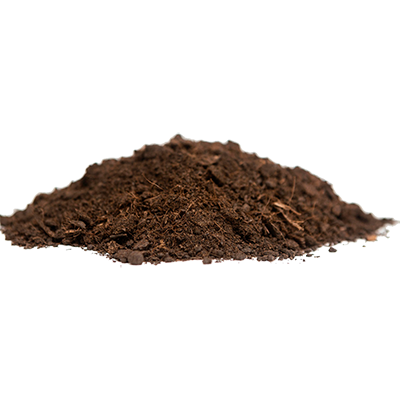
Succulents must be grown in fast-draining soil — standard potting mixes retain far too much moisture and almost inevitably cause root rot in succulents over time. In Dubai, use either:
- A dedicated succulent and cactus potting mix, or
- A standard potting mix amended with 40–50% perlite or coarse horticultural sand
The mix should drain completely within seconds of watering and dry out within 2–5 days depending on pot size and ambient temperature.
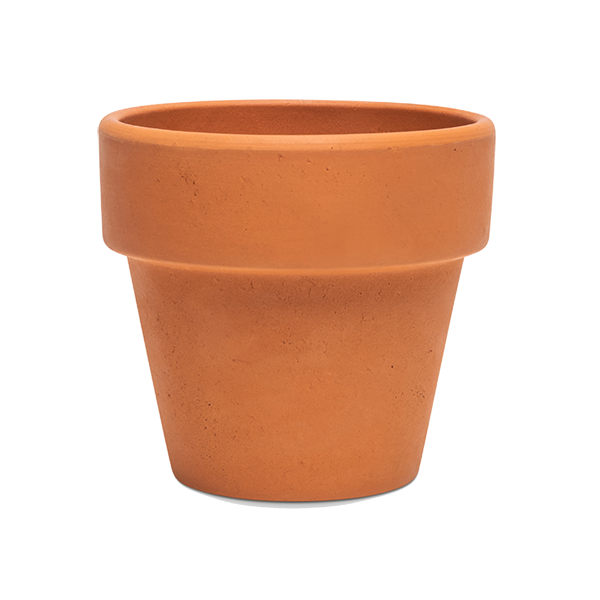
Pot selection: Always use pots with drainage holes. Terracotta pots are particularly well-suited to succulents in Dubai — their porosity allows excess moisture to evaporate through the pot walls, providing an additional buffer against the overwatering that kills more Dubai succulents than any other cause.
Fertilising Succulents in Dubai
Succulents are light feeders — they evolved in nutrient-poor soils and do not require or benefit from heavy fertilisation. In Dubai:
- Apply a diluted, balanced liquid fertiliser at half the recommended strength once a month during the cool season growing period (October–April)
- Do not fertilise during summer — succulents in heat-induced semi-dormancy cannot utilise additional nutrients
- Never over-fertilise — excess nutrients cause soft, lush growth that is more susceptible to rot and pest damage, and can cause the plant to lose its characteristic compact form
Propagating Succulents in Dubai
One of the most rewarding aspects of succulent growing is propagation — the ability to create new plants from leaves, offsets, and stem cuttings. Dubai's warm climate is actually advantageous for succulent propagation, as the consistently warm temperatures encourage faster rooting than cooler climates allow.
Leaf propagation: Gently twist individual healthy leaves from the stem — ensuring a clean separation with no tearing. Place on top of slightly moist succulent mix in a bright position. Within 2–4 weeks, tiny pink roots and eventually miniature rosettes will emerge from the base of the leaf. This is one of gardening's most magical processes and produces abundant new plants for free.
Offset division: Many succulents — particularly aloe, echeveria, and haworthia — produce offsets (also called pups or chicks) around the base of the mother plant. These can be gently separated when they have developed their own root systems and potted individually.
Stem cuttings: For taller succulents and string varieties, stem cuttings root readily in Dubai's warmth. Allow cut ends to callous for 24–48 hours before placing in slightly moist succulent mix.
Styling Succulents in Dubai Homes
Succulents offer extraordinary styling flexibility — their wide range of forms, colours, and sizes make them among the most versatile plants for Dubai interior and exterior design:
Indoor Succulent Styling Ideas
The mixed succulent bowl: Arrange multiple small succulent varieties — combining different forms, colours, and textures — in a single shallow bowl or dish. This is one of the most popular and visually effective ways to display succulents in Dubai apartments. Use a wide, shallow terracotta or ceramic dish with drainage and a quality succulent mix.
The windowsill collection: A row of individual succulents in matching small terracotta or ceramic pots along a bright windowsill creates a clean, organised display that works beautifully in modern Dubai apartment interiors.
The statement specimen: A single large, dramatic succulent — a mature jade plant, a large aloe, or an architectural euphorbia — in a quality ceramic or fibreglass pot makes an outstanding statement plant for a Dubai living room or home office.
The hanging string garden: One or more hanging planters containing string of pearls, string of bananas, or string of hearts creates a dramatic, cascading display in Dubai apartments — using vertical space beautifully and creating a genuinely unique visual effect.
The terrarium: Glass terrariums or geometric glass containers filled with small succulent varieties create enclosed miniature landscapes — a popular display format for Dubai office desks and apartment shelving. Use open terrariums rather than closed ones for succulents — they need airflow to prevent rot.
Outdoor Succulent Styling for Dubai
The succulent rock garden: Combining succulents with decorative stones and gravel creates a low-water, low-maintenance outdoor display perfectly suited to Dubai's climate — a beautiful, drought-appropriate landscape solution for villa gardens and communal outdoor areas.
The balcony succulent wall: Vertical planter systems planted with a variety of succulents create a stunning living wall effect on Dubai balconies — maximising plant density in limited space and creating a dramatic visual impact.
The terrace container collection: A curated collection of succulents in complementary pots of different sizes creates a sophisticated terrace display that requires minimal maintenance and performs beautifully through most of Dubai's year.
Succulents as Plant Gifts in Dubai
Succulents have become one of the most popular plant gift choices in Dubai — and for good reasons. They are beautiful, long-lasting, available in a spectacular range of varieties, and their reputation for being easy to care for makes them accessible gifts even for recipients with no gardening experience.
Popular succulent gift formats for Dubai:
Mixed succulent arrangements — a curated selection of complementary succulents arranged in a quality bowl, box, or tray makes a striking and thoughtful gift.
Individual specimen plants — a single, perfectly formed echeveria, haworthia, or aloe in a beautiful ceramic pot is a simple but genuinely lovely gift.
Succulent terrariums — a professionally assembled geometric glass terrarium planted with a selection of small succulents is one of the most visually impressive plant gift formats available.
Corporate succulent gifts — small, individually potted succulents with personalised tags make excellent corporate gifting items for events, client appreciation, and staff recognition.
At Intraflora Nursery, our succulent gift range is available with gift packaging and personalised message cards — delivered across Dubai and the UAE for any occasion.
Where to Buy Succulent Plants Online in Dubai
Finding quality succulents — particularly the rarer and more visually spectacular varieties — requires a nursery with genuine expertise and a well-curated stock that goes beyond the most common varieties available in supermarkets and generic garden shops.
At Intraflora Nursery, our succulent collection spans the full range — from widely loved beginner varieties to rare collector's pieces, presented in quality pots with UAE-specific care guidance. Every succulent is inspected before dispatch and packaged carefully for safe delivery across Dubai's climate.
Whether you're starting your first succulent collection, adding to an established one, or looking for a beautiful plant gift, our online range gives you access to Dubai's best succulent selection from the comfort of your home.
Recent Posts

Plant Gifts Dubai: The Complete Guide to Giving Living Gifts That Last

Balcony Plants Dubai: The Complete Guide to Transforming Your Outdoor Space

Buy Lemon Tree UAE: The Complete Guide to Growing Citrus in Dubai and Beyond

Mango Tree Dubai: The Complete Guide to Growing, Buying & Caring for Mangoes in the UAE

Office Plants in Dubai: The Complete Guide to Greening Your UAE Workplace

Plant Nursery Al Warsan: Dubai's Green Heart & Why Intraflora Nursery Calls It Home

Succulent Plants in Dubai: The Complete Guide to Growing, Styling & Buying in the UAE

The Best Plants for the UAE Climate: The Definitive Guide for Dubai & Beyond