


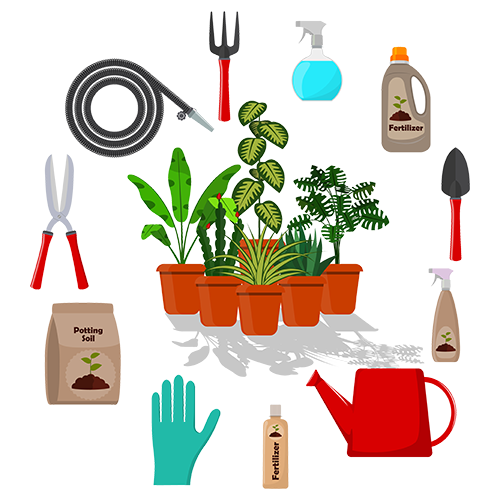
How to Care for Indoor Plants in Dubai: The Complete UAE Guide

Dubai is one of the most plant-enthusiastic cities in the world — and yet it presents indoor plant owners with a set of challenges that simply don't appear in any standard plant care guide written for temperate climates. Generic advice about watering schedules, light requirements, and humidity levels is written for conditions that bear little resemblance to life in a sealed, air-conditioned Dubai apartment under the Gulf's intense sun.
The result is a gap between what Dubai plant owners read and what actually works in the UAE's unique indoor environment — and plants pay the price. Overwatered succulents, etiolated shade plants placed in scorching south-facing windows, humidity-loving tropicals browning in dry AC air, and sun-demanding plants languishing in dim corners — these are the predictable consequences of following generic advice in a genuinely extraordinary climate.
This guide closes that gap. Everything here is written specifically for Dubai's indoor conditions — the air conditioning, the light intensity, the water quality, the seasonal temperature variations, and the specific challenges that UAE plant owners face that plant lovers elsewhere simply don't encounter.
Understanding Dubai's Indoor Environment
Before addressing specific care topics, understanding what Dubai's indoor environment actually means for plants is essential:
Air Conditioning — The Defining Factor
Dubai's air conditioning systems run for 8–10 months of the year — and their effect on indoor plant conditions is profound:
Reduced humidity. Air conditioning removes moisture from the air, creating chronically dry indoor conditions. Dubai's AC-cooled apartments typically maintain humidity levels of 30–40% — significantly below the 50–60% preferred by most tropical houseplants.
Stable temperature. Most Dubai apartments maintain a consistent 20–24°C year-round through air conditioning — actually a remarkably stable and pleasant temperature for many indoor plants, removing the seasonal temperature swings that stress plants in less climate-controlled environments.
Air circulation. Air conditioning creates constant air movement — generally beneficial for preventing fungal issues but potentially drying for humidity-sensitive plants placed directly in the path of AC vents.
Sealed environments. Dubai apartments are kept sealed against the outdoor heat for most of the year, meaning indoor air is recirculated rather than refreshed — contributing to pollutant accumulation that air purifying plants help address.
Light — Intense but Directional
Dubai's outdoor sunlight is among the most intense in the world — but indoors, this intensity is modified by windows, glass, and the directional nature of apartment lighting:
Window orientation matters enormously. South and west-facing windows receive the most intense light — and in Dubai's summer, direct afternoon sun through these windows can scorch leaves that would be perfectly comfortable in the gentle sunlight of temperate climates. North and east-facing windows provide gentler, more diffuse light suitable for shade-tolerant varieties.
Seasonal light variation. While Dubai's light is intense year-round, there is seasonal variation — winter sun is lower in the sky and less direct than summer sun. Plants positioned near south-facing windows may need repositioning or shading in summer to prevent scorching.
Indoor light drop-off. Light intensity drops dramatically with distance from windows — a plant two metres from a window receives only a fraction of the light available at the window itself. Many Dubai apartment plants are placed too far from their light source and struggle as a result.
Water Quality — A Dubai-Specific Challenge
Dubai's tap water is produced primarily through desalination and has specific characteristics that affect indoor plants:
High mineral content. Dubai's water contains elevated levels of calcium, magnesium, and other dissolved minerals. Over time, these accumulate in potting soil, raising pH and potentially locking out certain nutrients. They also cause the white mineral deposits (limescale) commonly seen on pot rims and soil surfaces in Dubai apartments.
Chlorine and chloramine. Dubai's water is treated with chlorine and sometimes chloramine to ensure safety — both of which can affect sensitive plants and the beneficial soil microorganisms that contribute to plant health.
Alkalinity. Dubai's tap water is alkaline — typically pH 7.5–8.5 — which can gradually raise the pH of potting soil, affecting nutrient availability for acid-preferring plants like citrus and some tropical varieties.
Seasonal Considerations
Despite the climate-controlled nature of Dubai apartments, indoor plant care does shift seasonally:
Cool season (October–April): This is the active growing season for most indoor plants in the UAE — growth is more vigorous, water consumption higher, and fertilising most effective. New plants establish more readily, repotting is most successful, and propagation produces faster results.
Summer (May–September): Many indoor plants slow their growth significantly during Dubai's summer — even in climate-controlled interiors, the overall heat and light intensity affect plant metabolism. Watering frequency often needs to be reduced rather than increased during this period, and fertilising should be reduced or suspended for the most heat-stressed plants.
Watering Indoor Plants in Dubai — The Complete Guide
Watering is the single most important and most frequently mismanaged aspect of indoor plant care in Dubai. Both overwatering and underwatering cause significant plant damage — but in Dubai's specific conditions, overwatering is far more commonly the problem.
Why Overwatering Is the Number One Dubai Plant Killer
Dubai's air conditioning creates a counterintuitive situation: the indoor air feels dry, which leads many plant owners to assume their plants need more water. But air conditioning does not accelerate soil moisture evaporation in the same way that outdoor heat does — potting soil in a sealed, climate-controlled apartment can remain moist for far longer than most plant owners expect.
The result is plants watered on a schedule (every X days regardless of actual soil moisture) or watered based on the feel of the indoor air rather than the actual moisture content of the soil. This is the most reliable path to root rot — the anaerobic, fungal condition that is the leading cause of indoor plant death across Dubai.
The Golden Rule — Check Before You Water
The most important watering principle for Dubai indoor plants is simple: always check the soil before watering, never water on a fixed schedule alone.
The finger test: Push your finger 3–5cm into the potting soil. If you feel any moisture at all, do not water. Only water when the soil feels completely dry at that depth. For succulents and other drought-adapted plants, wait until the soil has been dry for several days before watering.
The pot weight test: Lift the pot immediately after watering and note its weight. When the pot feels significantly lighter — perhaps half the weight of the freshly watered pot — the soil has dried sufficiently for most plants. With practice, the weight test becomes a quick and reliable indicator of soil moisture without needing to disturb the soil surface.
Moisture meters: Inexpensive soil moisture meters provide a simple numerical reading of soil moisture content — useful for beginners who are not yet confident in the finger or weight tests. Insert the probe into the potting mix away from the root ball for the most accurate reading.
Watering Frequency Guide for Common Dubai Indoor Plants
The following frequencies are guides rather than fixed schedules — always check soil moisture before watering regardless of how much time has passed since the last watering:
Every 1–2 weeks (cool season) / Every 2–3 weeks (summer): Monstera, pothos, rubber plant, Chinese evergreen, peace lily (water when drooping slightly), bird of paradise, areca palm, spider plant, Boston fern
Every 2–3 weeks (cool season) / Every 3–4 weeks (summer): Snake plant, ZZ plant, aloe vera, jade plant, most haworthia varieties, cast iron plant
Every 3–4 weeks (cool season) / Every 4–6 weeks (summer): Echeveria and most other echeveria succulents, string of pearls, most cacti and drought-adapted succulents, desert rose (indoors), lithops
Watering Technique for Dubai Indoor Plants
Water thoroughly. When you do water, water fully — until water flows freely from the drainage holes. This ensures the entire root zone receives moisture and helps flush accumulated mineral salts from Dubai's tap water through the soil.
Allow to drain completely. After watering, allow all excess water to drain from the pot before returning it to its saucer or cachepot. Never leave indoor plants sitting in accumulated drainage water — this creates the waterlogged conditions at the root zone that cause root rot.
Water at room temperature. Very cold water can shock tropical indoor plants — particularly those placed in already cool, air-conditioned interiors. Allow tap water to reach room temperature before using or collect water in a watering can and allow it to stand for a few hours.
Water the soil, not the leaves. Direct water at the soil surface rather than over the leaves — wet foliage in the sealed, reduced-airflow conditions of a Dubai apartment can promote fungal issues. For rosette-forming succulents like echeveria, water around the base of the plant — never into the centre of the rosette where water collecting between leaves causes rot.
Managing Dubai's Water Quality for Indoor Plants
Let tap water stand overnight. Leaving tap water in an open container for 12–24 hours allows chlorine to dissipate — beneficial for sensitive plants and the soil microorganisms that support plant health. This does not significantly reduce mineral content but is a simple improvement.
Use filtered water for sensitive plants. Calatheas, hoyas, ferns, and other mineral-sensitive plants benefit noticeably from filtered or reverse osmosis water. The improvement in leaf quality — less tip browning, better colour — is often visible within a few watering cycles.
Flush soil regularly. Once a month, water container plants thoroughly enough to flush a significant volume of water through the drainage holes — this helps remove accumulated mineral salts from the potting mix.
Monitor for mineral accumulation. White crusty deposits on pot rims, soil surfaces, and occasionally on leaf surfaces are signs of mineral salt accumulation from Dubai's tap water. Flush the soil as described above and consider refreshing the top layer of potting mix annually.
Light Management for Dubai Indoor Plants
Getting light right is the second most critical factor in Dubai indoor plant care — and the directional, intense nature of Dubai's sunlight creates specific challenges that generic advice doesn't address.
Understanding Your Apartment's Light Conditions
South-facing windows receive the most intense and prolonged direct sunlight in Dubai — full afternoon sun in summer can be genuinely damaging to most indoor plants placed directly in these windows. Suitable for: cacti, certain succulents, and plants that specifically prefer direct sun. Use sheer curtains to diffuse intense afternoon sun for most other indoor plants.
West-facing windows receive intense afternoon sun — particularly powerful in Dubai's summer. Approach with similar caution to south-facing windows for most indoor plants. Suitable for sun-loving succulents during cooler months.
East-facing windows receive gentle morning sun and bright indirect light for the rest of the day — often the ideal light condition for most tropical indoor plants in Dubai. Suitable for: monstera, pothos, peace lily, ZZ plant, rubber plant, and most commonly grown tropical houseplants.
North-facing windows receive the least intense light — indirect light throughout the day. Suitable for: shade-tolerant plants like ZZ plant, cast iron plant, pothos, snake plant (in low-light mode), and haworthia.
Interior positions away from windows receive very low light — only the most shade-tolerant plants can survive here. ZZ plant, snake plant, and cast iron plant are the primary options. Even these will grow more slowly in interior positions.
Seasonal Light Adjustment
Dubai's sun angle changes significantly between summer and winter — and plants positioned near south-facing windows may need seasonal adjustment:
Summer: The sun is high in the sky and south-facing windows receive intense, almost vertical sunlight. Consider moving light-sensitive plants back from south-facing windows or using sheer curtains to diffuse the most intense hours (typically 11am–4pm).
Winter: The sun is lower in the sky and provides gentler, more angled light — generally more comfortable for most indoor plants. Many plants can move closer to south and west-facing windows during winter months.
Recognising and Responding to Light Problems
Signs of too much light:
- Bleached, faded, or whitish patches on leaves (sunscald)
- Leaves turning pale yellow or almost white
- Crispy, scorched leaf edges
- Soil drying extremely rapidly
Response: Move plant away from the window, use sheer curtains to filter direct sun, or relocate to a less intense position.
Signs of too little light:
- Etiolation — plant stretching toward light source, becoming elongated and losing compact form (particularly visible in succulents)
- New leaves significantly smaller than established leaves
- Loss of variegation in variegated plants — leaves reverting to plain green
- Very slow or completely stalled growth
- Soil remaining moist for unusually long periods
Response: Move plant closer to a window, relocate to a brighter room, or introduce a grow light for plants that cannot be moved to a better natural light position.
Grow Lights for Dubai Apartments
Grow lights have become an increasingly important tool for Dubai plant enthusiasts — particularly for those who want to grow light-demanding plants in apartments with limited natural light, or who want to maintain light-sensitive plants through Dubai's shorter winter days.
Modern LED grow lights are energy-efficient, low-heat, and available in a range of sizes from small clip-on desk units to substantial panel lights capable of supporting significant indoor plant collections. Full-spectrum LED grow lights that replicate natural daylight are the most effective option for Dubai indoor plants.
Grow light placement for Dubai: Position grow lights 15–30cm above most foliage plants, closer for succulents and other high-light plants. Run for 12–14 hours per day on a timer — consistent daily light cycles are important for plant health and growth rhythm.
Humidity Management for Dubai Indoor Plants
Managing humidity is one of the most Dubai-specific indoor plant care challenges — and one that generic guides consistently underaddress. The 30–40% humidity typical of Dubai's air-conditioned interiors is significantly below the 50–70% preferred by most tropical houseplants.
Plants Most Affected by Low Humidity in Dubai
Highly sensitive (need active humidity management): Calathea, maranta, ferns (particularly Boston fern and maidenhair fern), orchids, anthurium, some rare aroids (monstera Thai constellation, philodendron gloriosum)
Moderately sensitive (benefit from increased humidity): Peace lily, areca palm, pothos, spider plant, monstera deliciosa, rubber plant
Largely unbothered by low humidity (no management needed): Snake plant, ZZ plant, cast iron plant, succulents and cacti, aloe vera, jade plant, haworthia
Practical Humidity Solutions for Dubai Apartments
Grouping plants together: The simplest and most passive approach. Plants release moisture through transpiration, creating a localised microclimate of slightly higher humidity around a group of plants. Cluster plants that prefer higher humidity together for mutual benefit.
Pebble trays with water: Place a shallow tray filled with pebbles and water beneath humidity-sensitive plants — as the water evaporates, it increases localised humidity immediately around the plant. Ensure the pot base sits above the water level rather than in it — the goal is evaporation, not waterlogging.
Cool-mist humidifiers: The most effective solution for serious indoor gardeners in Dubai. A small cool-mist humidifier positioned near humidity-sensitive plants dramatically and reliably increases localised humidity — the improvement in plant health, leaf quality, and growth rate of humidity-loving plants is typically very noticeable. Run during daylight hours.
Misting: A commonly recommended but often misapplied technique. Misting provides only temporary humidity relief — the water evaporates within minutes in Dubai's dry air — and if done in the evening or in poorly ventilated conditions, can promote fungal issues. If misting, do so in the morning to allow foliage to dry during the day.
Bathroom placement: For particularly humidity-loving plants, the bathroom is often the most naturally humid room in a Dubai apartment — particularly near a shower. Many tropical plants, ferns, and orchids thrive in bathroom positions with adequate light.
Signs of Low Humidity Damage in Dubai Plants
- Brown, crispy leaf tips and edges (the most common symptom)
- Curling or rolling leaves
- Flower buds dropping before opening
- Yellowing leaves that eventually drop
- Stunted new growth
Fertilising Indoor Plants in Dubai
Dubai's indoor plant growing conditions — sealed containers, regular flushing with mineral-rich water, and the nutrient consumption of actively growing plants — mean that a consistent fertilising programme is important for maintaining long-term plant health.
When to Fertilise Dubai Indoor Plants
Active growing season (October–April): Fertilise regularly during this period — monthly for most indoor plants using a balanced liquid fertiliser at the recommended dilution, or bi-monthly using a slow-release granular fertiliser applied to the soil surface.
Summer (May–September): Reduce or suspend fertilising during peak summer. Plants in heat-induced semi-dormancy or reduced growth mode cannot utilise additional nutrients effectively — excess fertiliser salts accumulate in the soil and can damage roots.
Choosing the Right Fertiliser for Dubai Indoor Plants
Balanced liquid fertiliser (NPK 20-20-20 or similar): The most versatile option for most Dubai indoor plants during the growing season. Dilute to half the recommended strength — indoor plants in containers are more sensitive to fertiliser concentration than outdoor plants.
Slow-release granular fertiliser: Applied to the soil surface every 3–6 months, slow-release granules provide consistent, gradual nutrition without the risk of concentration spikes. Convenient for busy Dubai residents who prefer a set-and-forget approach.
Specialist fertilisers: Orchid fertiliser for orchids, citrus fertiliser for indoor citrus, cactus fertiliser for succulents — specialist formulations optimised for specific plant nutritional needs are worth using for demanding or specialist plants.
Signs of Fertiliser Issues in Dubai Indoor Plants
Under-fertilised plants:
- Pale, yellowing leaves
- Stunted growth despite adequate light and water
- Loss of leaf lustre and colour vibrancy
- Older leaves dropping prematurely
Over-fertilised plants:
- Brown leaf tips and edges (fertiliser burn)
- White crusty deposits on soil surface (salt accumulation)
- Wilting despite moist soil (root damage from salt concentration)
- Rapid soft, weak growth susceptible to pest damage
Repotting Indoor Plants in Dubai
Knowing when and how to repot is an important component of long-term indoor plant care in Dubai's container-dominated gardening culture.
When to Repot
Roots emerging from drainage holes — the clearest sign that a plant has outgrown its current pot and needs more space.
Plant becoming top-heavy and unstable — the root system can no longer anchor the plant in its current pot.
Soil drying out extremely rapidly — a severely root-bound plant has so many roots and so little soil that moisture retention is severely compromised.
Visible roots circling the soil surface — roots growing in circles at the surface indicate the pot is too small for the root system.
Stalled growth despite good light, water, and fertiliser — sometimes a pot-bound plant simply cannot grow further without more space.
When Not to Repot
Summer in Dubai — repotting during peak summer heat stresses plants at a time when they are already challenged by the heat. Repot in October–November (beginning of the cool season) for best results.
When a plant is already stressed — a plant showing signs of disease, pest damage, or environmental stress should recover before being subjected to the additional stress of repotting.
For recently purchased plants — allow new plants at least 4–6 weeks to acclimatise to your Dubai apartment's specific conditions before repotting.
How to Repot Indoor Plants in Dubai
Choose the right pot size: Select a new pot only 2–5cm larger in diameter than the current one. Oversized pots hold more soil than the root system can utilise, creating waterlogged conditions that increase root rot risk.
Prepare fresh potting mix: Use a quality potting mix appropriate for the plant type — succulent mix for drought-adapted plants, general purpose mix for most tropical houseplants.
Remove carefully: Gently remove the plant from its current pot — turn the pot sideways and support the base of the plant as it slides out. If root-bound, the plant may require gentle teasing from the pot.
Inspect and trim roots: Examine the root system for signs of rot (dark, soft, mushy roots) — trim any damaged roots with clean, sharp scissors or secateurs. Healthy roots are white to light tan and firm.
Repot at the same depth: Position the plant in the new pot at the same depth as in the previous pot — burying stems that were previously above soil level can promote rot.
Water thoroughly: Water the repotted plant thoroughly to settle the new potting mix around the roots. Then allow to dry before the next watering — repotted plants need time to establish in their new environment and should not be overwatered immediately after repotting.
Pest Management for Dubai Indoor Plants
Dubai's warm, stable indoor environment — while comfortable for plants — is also comfortable for plant pests. Regular inspection and early intervention are the most effective pest management strategies for Dubai indoor plant collections.
The Most Common Indoor Plant Pests in Dubai
Spider mites — the most prevalent indoor plant pest in Dubai's dry, air-conditioned environments. Extremely small — often only visible as fine webbing on leaf undersides or a dusty, stippled appearance on leaf surfaces. Spider mites thrive in the low-humidity conditions of Dubai apartments. Treat with neem oil spray or a specific miticide. Increase humidity around affected plants — spider mites struggle in more humid conditions.
Mealybugs — white, cottony masses at leaf joints, stem bases, and on undersides of leaves. Common on a wide range of Dubai indoor plants. Remove visible colonies with isopropyl alcohol on a cotton swab, then treat the entire plant with neem oil spray. Repeat every 7–10 days for at least three treatment cycles to break the life cycle.
Scale insects — brown or tan, dome-shaped bumps on stems and leaf undersides — often mistaken for part of the plant itself. Scrape off visible scale with a soft brush or cloth, then treat with neem oil or horticultural oil spray.
Fungus gnats — small, dark flies hovering around the soil surface of indoor plants. The adult flies are mostly harmless but their larvae feed on roots and organic matter in the soil — damaging young roots and creating entry points for disease. Allow soil to dry more thoroughly between waterings (fungus gnats thrive in consistently moist soil) and treat with BTi (Bacillus thuringiensis israelensis) or yellow sticky traps.
Aphids — small, soft-bodied insects in green, black, or brown that cluster on new growth and undersides of leaves. Less common on Dubai indoor plants than outdoor plants but do occur. Treat with insecticidal soap spray or neem oil.
Integrated Pest Management for Dubai Indoor Plants
Prevention: The most effective pest management is prevention. Inspect new plants thoroughly before introducing them to your collection — pests hitchhike between plants easily. Keep plants healthy — vigorous, well-cared-for plants are significantly more resistant to pest damage than stressed specimens.
Regular inspection: Check plants weekly — examine leaf undersides, stem bases, and new growth for early signs of pest activity. Catching infestations early dramatically reduces the effort and time required to resolve them.
Isolation: At the first sign of pest activity, isolate the affected plant from the rest of your collection to prevent spread. Treat in isolation before returning to your plant display.
Neem oil as a preventative: A monthly preventative neem oil spray across your indoor plant collection — diluted according to instructions and applied to both leaf surfaces — significantly reduces the incidence of pest problems before they become infestations.
Seasonal Care Calendar for Dubai Indoor Plants
October — November: The Growth Season Begins
Resume regular fertilising as temperatures moderate and day length shortens slightly. Repot any root-bound plants before they enter their most active growth phase. Check and refresh potting soil top layers. Introduce any new plants you've been planning to add to your collection — the cool season is the best time for new plants to acclimatise.
December — February: Peak Growing Season
Most active growth period for Dubai indoor plants. Water more frequently as plants are consuming moisture at a higher rate. Fertilise monthly. This is the best time for propagation — cuttings and leaf propagations root most readily in the warm-cool season conditions.
March — April: Preparing for Summer
Growth beginning to slow slightly as temperatures rise. Begin reducing fertilising frequency. Check irrigation habits — some plants may need slight watering adjustments as temperatures increase. Ensure humidity management is in place for sensitive plants before the AC runs at its most intense.
May — September: Summer Management
Reduce fertilising — suspend for the most heat-stressed plants. Reduce watering frequency for most plants — despite the heat, sealed AC environments mean soil dries more slowly than outdoor conditions suggest. Watch vigilantly for spider mites — they proliferate rapidly in Dubai's dry summer AC conditions. Move plants away from windows if summer sun is causing scorching.
Year-Round
Check soil moisture before every watering. Inspect for pests weekly. Clean leaves of large-leaved plants monthly with a damp cloth. Monitor for signs of nutritional deficiency or excess. Rotate plants periodically to ensure even light exposure on all sides.
Where to Find Everything You Need for Indoor Plant Care in Dubai
Successful indoor plant care in Dubai requires the right plants, the right soil, the right pots, and access to quality fertilisers, pest control products, and specialist supplies — all ideally available from a single, knowledgeable source that understands the UAE's specific conditions.
At Intraflora Nursery, we provide everything Dubai indoor plant owners need:
- A curated range of indoor plants proven for UAE conditions
- Quality potting mixes appropriate for every plant type
- Plant pots in every size, material, and style
- Fertilisers, pest control products, and specialist growing supplies
- Expert advice from a team that genuinely understands Dubai's unique indoor plant challenges
- Fast, reliable delivery across Dubai and the UAE
Recent Posts

Plant Gifts Dubai: The Complete Guide to Giving Living Gifts That Last

Balcony Plants Dubai: The Complete Guide to Transforming Your Outdoor Space

Buy Lemon Tree UAE: The Complete Guide to Growing Citrus in Dubai and Beyond

Mango Tree Dubai: The Complete Guide to Growing, Buying & Caring for Mangoes in the UAE

Office Plants in Dubai: The Complete Guide to Greening Your UAE Workplace

Plant Nursery Al Warsan: Dubai's Green Heart & Why Intraflora Nursery Calls It Home

Succulent Plants in Dubai: The Complete Guide to Growing, Styling & Buying in the UAE

The Best Plants for the UAE Climate: The Definitive Guide for Dubai & Beyond