
Potting Soil in Dubai: The Complete Guide to Choosing the Right Growing Media for UAE Plants

Of all the decisions a Dubai gardener makes, the choice of potting soil is arguably the most consequential. Get it right and your plants have a foundation for outstanding health, vigorous growth, and long-term productivity. Get it wrong and even the hardiest, most UAE-proven plant varieties will struggle — no matter how carefully you water, fertilise, or position them.
Yet potting soil is one of the most misunderstood aspects of gardening in the UAE. Many Dubai residents — particularly those new to plant keeping — either use Dubai's native sandy soil in their containers (a recipe for failure), grab whichever bag of soil is cheapest at the nearest hypermarket (often equally disappointing), or simply use whatever potting mix came with their plant (frequently a low-quality temporary growing medium never intended for long-term use).
This guide changes that. It covers everything Dubai gardeners need to know about potting soil — what it is, why it matters so much in the UAE's specific conditions, what to look for when buying, which types suit which plants, and how to get the very best growing results from your soil choices.
Why Potting Soil Matters More in Dubai Than Almost Anywhere Else
The importance of quality potting soil is amplified in Dubai by several factors that simply don't apply in more forgiving gardening climates:
Dubai's Native Soil Is Almost Completely Unsuitable for Plant Growing
Dubai's native soil is predominantly coarse, alkaline sand — low in organic matter, virtually devoid of nutrients, with almost zero water retention capacity and negligible microbial activity. While certain native and highly adapted desert plants can survive in this medium, virtually every ornamental plant, houseplant, fruit tree, vegetable, and herb that Dubai residents want to grow requires a very different growing environment.
Using Dubai's native soil in containers is one of the most common and damaging mistakes new gardeners make in the UAE. It drains so rapidly that roots can barely absorb moisture before it's gone, provides essentially no nutritional support, and compacts badly in pots — creating a dense, airless medium that suffocates roots over time.
Container Gardening Dominates Dubai
The vast majority of Dubai residents garden in containers — on apartment balconies, villa terraces, and indoors. Container growing places far greater demands on potting soil than in-ground gardening because the plant's entire root environment is contained within the pot. There is no surrounding soil for roots to explore, no natural soil ecosystem to buffer nutrient fluctuations, and no groundwater reservoir to draw on during dry periods. Everything the plant needs must come from what's in the pot.
The UAE Climate Accelerates Soil Degradation
Dubai's heat, intense sunlight, and regular irrigation cycles cause potting soil to degrade faster than in cooler climates. Organic matter breaks down more rapidly, soil structure compacts over time, salt accumulation from Dubai's mineral-rich tap water can alter pH and damage roots, and microbial communities that contribute to soil health can be disrupted by extreme temperature fluctuations. Understanding this helps Dubai gardeners maintain their soil proactively rather than waiting for problems to appear.
What Makes Good Potting Soil for Dubai?
Quality potting soil for the UAE's conditions must balance several sometimes competing requirements:
Excellent Drainage
In Dubai's heat, waterlogged soil rapidly becomes anaerobic — depleted of oxygen — and creates conditions that promote root rot, one of the most common causes of plant death in the UAE. Quality potting soil must allow excess water to drain freely rather than pooling around roots.
Adequate Moisture Retention
Paradoxically, good drainage must be balanced with adequate moisture retention — the ability to hold enough water to keep roots hydrated between waterings. In Dubai's heat, soil that drains too freely dries out so rapidly that roots cannot absorb sufficient moisture, leading to chronic drought stress even with regular watering.
Good Aeration and Structure
Roots require oxygen as well as water and nutrients. Well-structured potting soil maintains air pockets between particles even when wet — providing the oxygen supply roots need for healthy function. Compacted, dense soil suffocates roots even if it appears moist on the surface.
Appropriate Nutrient Content
Quality potting mixes include base-level nutrients — typically from composted organic matter and added slow-release fertiliser — to support plants through establishment. This is particularly important in Dubai where plants are often in containers for extended periods without soil renewal.
Stable pH
Most plants prefer a slightly acidic to neutral pH range of 6.0–7.0. Dubai's native soil and tap water tend toward alkalinity, which can lock out certain nutrients even when they're present in the soil. Quality potting mixes are formulated to maintain appropriate pH levels.
Biological Activity
Healthy soil is teeming with microbial life — bacteria, fungi, and other microorganisms that break down organic matter, fix nutrients, and support root health. Quality potting mixes that include composted organic matter support this biological activity, which contributes significantly to long-term plant health.
Types of Potting Soil Available in Dubai
General Purpose Potting Mix
The everyday workhorse of Dubai gardening — suitable for most indoor plants, outdoor ornamentals, and general container growing. A quality general purpose mix balances drainage, moisture retention, and nutrient content for the widest possible range of plants.
Best for: Most indoor plants including pothos, peace lily, monstera, rubber plant, ZZ plant, and the majority of tropical houseplants. General outdoor container plants and flowering annuals.
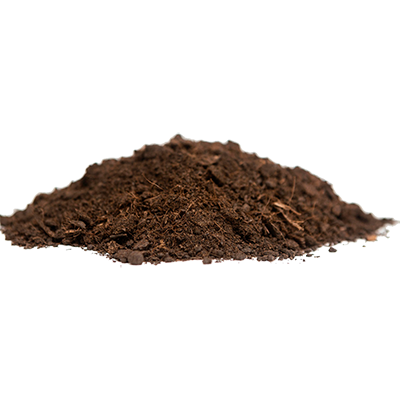
What to look for: A mix that feels light and open rather than heavy and dense. Should contain visible organic matter (dark, composted material) and ideally some perlite for improved drainage. Avoid mixes that feel compacted or smell sour — both are signs of poor quality.
Succulent and Cactus Potting Mix
Formulated with significantly higher proportions of drainage material — typically coarse sand, perlite, pumice, or a combination — for plants that are highly susceptible to root rot in standard potting mixes. In Dubai's conditions, where the risk of overwatering is high among enthusiastic plant owners, a proper succulent mix is genuinely essential for the long-term health of these plants.
Best for: All succulents and cacti, desert rose (Adenium), snake plants, agave, aloe vera, and any other plant from arid, drought-adapted origins.
What to look for: A visibly coarse, granular texture. When squeezed, it should fall apart rather than clumping. Should drain almost immediately when water is applied.
Fruit Tree and Vegetable Potting Mix
Enriched with higher levels of organic matter, composted manure, and slow-release nutrients to support the more demanding nutritional requirements of productive plants. Fruit trees and vegetables are heavy feeders compared to ornamental houseplants — a nutrient-rich growing medium is essential for productive yields.
Best for: Container-grown mango trees, lemon trees, guava, pomegranate, fig, and all other fruit trees. Herbs and vegetables in containers and raised beds. Any productive plant where yield and fruit quality are important.
What to look for: A rich, dark colour indicating high organic matter content. Should have a pleasant, earthy smell. Good structure with visible composted material. Often heavier than standard potting mixes due to higher organic content.
Orchid Potting Mix
A highly specialised growing medium composed largely of bark chips, sphagnum moss, perlite, and sometimes charcoal — designed for epiphytic orchids that naturally grow attached to tree surfaces rather than in soil. Standard potting mix retains far too much moisture for orchids and will cause rapid root rot.
Best for: Phalaenopsis (moth orchid), Dendrobium, Cattleya, and all other commonly grown orchid varieties.
What to look for: Chunky, bark-dominated texture. Should drain completely within seconds of watering. Bark chips should be firm, not decomposed or mushy.
Seed Starting and Propagation Mix
A fine, low-nutrient, sterile medium designed for germinating seeds and rooting cuttings. Its fine texture supports the delicate root development of seedlings and cuttings without the risk of disease that unsterilised mixes can introduce. Not suitable as a long-term growing medium — seedlings should be transplanted into a more nutritious mix once established.
Best for: Starting seeds, rooting stem cuttings, propagating succulents and other plants from leaf cuttings.
What to look for: Fine, uniform texture. Should be virtually sterile — free from visible weed seeds, fungal growth, or strong odour. Retains moisture well to support germination.
Raised Bed and Garden Soil Mix
A heavier, more substantial growing medium designed for raised beds, large planters, and in-ground garden improvement. Typically a blend of composted topsoil, compost, and coarse drainage material — richer and more substantial than container potting mixes.
Best for: Raised bed vegetable gardens, large outdoor planters, amending Dubai's native sandy soil for in-ground planting.
What to look for: Rich, dark colour indicating high organic content. Good structure — not compacted. Should incorporate visible compost material.
Essential Soil Amendments for Dubai Gardeners
Even quality potting mixes can benefit from targeted amendments in the UAE's demanding conditions. Understanding soil amendments allows Dubai gardeners to customise their growing media for specific plants and situations:
Perlite — The Drainage Essential
Perlite is lightweight volcanic glass processed into small white granules. It is the single most useful soil amendment for Dubai gardeners — adding it to standard potting mixes dramatically improves drainage and aeration without affecting nutrient levels or pH.
How to use: Add 20–30% perlite by volume to standard potting mixes for most plants. Add 40–50% for plants requiring exceptional drainage such as succulents, cacti, and snake plants.
Why it matters in Dubai: In a climate where overwatering is one of the most common causes of plant failure, the extra drainage margin that perlite provides can be genuinely life-saving for container plants.
Vermiculite — Moisture and Nutrient Retention
Vermiculite is a naturally occurring mineral processed into lightweight, sponge-like granules that absorb and retain moisture and nutrients. Unlike perlite, which improves drainage, vermiculite improves moisture retention — making it useful for plants that prefer consistently moist soil.
How to use: Add 10–20% vermiculite to mixes for moisture-loving plants. Avoid using in mixes for succulents or other drought-adapted plants.
Why it matters in Dubai: For plants that struggle with Dubai's fast-drying conditions — ferns, peace lilies, moisture-loving tropicals — vermiculite helps maintain the consistent moisture they need between waterings.
Coir Fibre — The Sustainable Peat Alternative
Coir fibre is made from the fibrous husks of coconuts — a sustainable by-product of the coconut industry that performs similarly to peat moss as a soil amendment. It improves moisture retention and soil structure, is pH-neutral, and breaks down more slowly than peat — making it an excellent long-term soil amendment for Dubai container gardens.
How to use: Mix into potting soil at 20–30% by volume, or use compressed coir blocks rehydrated with water as a standalone growing medium for certain applications.
Composted Organic Matter — The Foundation of Soil Health
Well-composted organic matter — composted plant material, composted manure, or worm castings — is the most important soil amendment for improving Dubai's sandy native soil and enriching depleted container potting mixes. It improves soil structure, moisture retention, nutrient content, and microbial activity simultaneously.
How to use: Mix generously into garden soil before planting — at least 30% by volume. Add to depleted container potting mixes when refreshing or repotting. Apply as a top dressing around established plants and water in.
Horticultural Sand — Drainage for Specific Applications
Coarse horticultural sand (not fine building sand, which can compact and actually worsen drainage) improves drainage in heavy or water-retentive potting mixes. Less effective than perlite for most applications but useful for certain specialist growing situations.
Important distinction: Only use horticultural grade coarse sand. Fine building sand particles can compact together, creating a cement-like layer in the pot that dramatically worsens drainage rather than improving it.
Slow-Release Fertiliser Granules — Built-In Nutrition
Adding slow-release fertiliser granules to potting mixes at planting time provides a consistent supply of nutrients for 3–6 months without any additional feeding effort. Particularly useful for fruit trees, vegetables, and other heavy feeders in Dubai containers.
When to Replace Potting Soil in Dubai
Potting soil does not last indefinitely — it degrades over time, losing structure, nutrient content, and biological activity. In Dubai's conditions, this degradation happens faster than in cooler climates. Signs that your potting soil needs replacing:
Soil compaction. When potting mix becomes dense and hard — pulling away from the sides of the pot when dry, failing to absorb water readily — it has lost its structure and needs replacement.
Salt accumulation. White crusty deposits on the soil surface or pot rim indicate mineral salt accumulation from Dubai's tap water and fertiliser residues. Flush containers thoroughly with water periodically to help manage this, but replace soil when accumulation is severe.
Waterlogging despite drainage holes. When previously well-draining soil becomes waterlogged, it has typically compacted or become blocked with root matter — replacement is the most effective solution.
Depleted colour and texture. Fresh potting mix is dark, rich-looking, and open in texture. Old, depleted mix looks pale, feels dusty, and lacks structure. Visual inspection gives a good indication of soil condition.
General guideline for Dubai: Replace potting soil every 1–2 years for actively growing container plants. Refresh the top layer annually by removing the top 5cm and replacing with fresh mix. Repot fruit trees and large outdoor container plants every 2–3 years.
Potting Soil and Water Quality in Dubai
Dubai's tap water is notable for its high mineral content — it is produced largely through desalination and can contain elevated levels of calcium, magnesium, and other minerals. Over time, these minerals accumulate in potting soil, raising pH and potentially locking out certain nutrients.
Practical management strategies:
Flush containers regularly. Once a month, water container plants deeply and thoroughly — enough that substantial water flows from the drainage holes — to flush accumulated minerals through the soil.
Use filtered water for sensitive plants. Orchids, ferns, and other plants sensitive to mineral accumulation benefit from filtered or reverse osmosis water. Letting tap water sit in an open container overnight allows some chlorine to dissipate but does not significantly reduce mineral content.
Monitor pH periodically. Simple pH testing kits are inexpensive and allow you to monitor your potting soil's pH over time. If pH rises above 7.5, consider treating with a dilute acidifying solution or replacing the potting mix.
Choose pH-appropriate fertilisers. For acid-loving plants like citrus and blueberries, use acid-forming fertilisers that counteract the alkalising effect of Dubai's tap water.
Potting Soil for Specific Popular Plants in Dubai
Snake Plant
Use a succulent and cactus mix, or standard potting mix amended with 30–40% perlite. Drainage is the absolute priority — waterlogged soil is the snake plant's primary vulnerability.
Monstera and Tropical Houseplants
A quality general purpose potting mix amended with 20% perlite provides the balance of drainage and moisture retention that tropical houseplants prefer. Ensure consistently moist but never waterlogged conditions.
Peace Lily
A moisture-retentive general purpose mix suits the peace lily well — this is one plant that actually prefers consistently moist soil. Adding 10–15% vermiculite helps maintain the moisture levels peace lilies appreciate.
Succulents and Cacti
Succulent and cactus mix as standard, or a general purpose mix with 40–50% perlite added. The mix should drain completely within seconds of watering and dry out fully within a few days.
Fruit Trees in Containers
A rich, well-draining fruit tree mix is ideal. If unavailable, combine a quality general purpose mix with 20% perlite and 20% composted organic matter for a balanced, nutritious, well-draining medium.
Orchids
Orchid bark mix exclusively — never standard potting soil. Repot orchids every 1–2 years as the bark breaks down and drainage deteriorates.
Herbs and Vegetables
A rich, moisture-retentive vegetable growing mix or a general purpose mix enriched with composted organic matter. Herbs and vegetables are heavy feeders — a nutrient-rich starting medium and regular fertilisation are both important.
Where to Buy Quality Potting Soil Online in Dubai
Finding quality potting soil in Dubai used to mean a trip to the nurseries of Al Warsan or the garden sections of large supermarkets — where selection is often limited and quality variable. Buying potting soil online in Dubai gives you access to a wider, better-curated range of products, delivered conveniently alongside your plants and other gardening supplies.
At Intraflora Nursery, we stock a comprehensive range of quality potting mixes and soil amendments specifically suited to Dubai's growing conditions:
- General purpose potting mix for everyday indoor and outdoor container growing
- Succulent and cactus mix for drought-adapted plants
- Fruit tree and vegetable mix for productive container growing
- Specialist orchid bark mix
- Perlite, vermiculite, coir fibre, and other soil amendments
- Slow-release fertiliser granules for adding to mixes at planting time
All soil products are available to order online alongside plants, pots, and other gardening supplies — delivered together across Dubai and the UAE for maximum convenience.
Recent Posts

Plant Gifts Dubai: The Complete Guide to Giving Living Gifts That Last

Balcony Plants Dubai: The Complete Guide to Transforming Your Outdoor Space

Buy Lemon Tree UAE: The Complete Guide to Growing Citrus in Dubai and Beyond

Mango Tree Dubai: The Complete Guide to Growing, Buying & Caring for Mangoes in the UAE

Office Plants in Dubai: The Complete Guide to Greening Your UAE Workplace

Plant Nursery Al Warsan: Dubai's Green Heart & Why Intraflora Nursery Calls It Home


Succulent Plants in Dubai: The Complete Guide to Growing, Styling & Buying in the UAE

The Best Plants for the UAE Climate: The Definitive Guide for Dubai & Beyond