

Gardening Supplies in Dubai: The Complete Guide to Everything You Need to Grow

Dubai is in the middle of a gardening revolution. From rooftop vegetable gardens in Al Barsha to carefully curated indoor plant collections in Downtown Dubai apartments, more UAE residents than ever before are discovering the joy — and the challenges — of growing plants in one of the world's most demanding climates.
But great plants alone don't make a great garden. Behind every thriving indoor plant collection, productive fruit tree, or beautiful balcony garden in Dubai is a foundation of quality gardening supplies — the right soil, the right pots, the right nutrients, and the right tools. Get these basics right and your plants will reward you generously. Get them wrong and even the hardiest UAE-proven plants will struggle.
This guide covers every category of gardening supplies available in Dubai — what they are, why they matter, what to look for when buying, and where to find the best quality products for the UAE's unique growing conditions.
Why Gardening Supplies Matter More in the UAE
Gardening in Dubai is not like gardening in the UK, Europe, or most of Asia. The UAE's extreme climate and challenging native soil conditions mean that the quality of your gardening supplies has a direct, measurable impact on your plants' health and productivity — more so than in more forgiving climates.
Dubai's native soil is extremely challenging. Sandy, alkaline, and almost completely devoid of organic matter and nutrients, the UAE's native soil retains almost no water and provides plants with virtually no nutritional support. Without significant amendment or replacement with quality growing media, most plants — including many so-called drought-tolerant varieties — will struggle to establish and thrive.
The heat accelerates everything. Dubai's summer temperatures accelerate water evaporation, nutrient depletion, and pest activity at rates that gardeners from temperate climates find surprising. Quality slow-release fertilisers, moisture-retaining soil amendments, and effective pest control products are genuinely essential — not optional extras.
Container gardening dominates. The majority of Dubai residents garden in containers — on balconies, terraces, and in apartments. Container growing places far greater demands on potting soil, pot quality, and fertiliser programmes than in-ground growing, because the plant's entire root environment is contained and dependent on what you provide.
Understanding these UAE-specific realities helps you make smarter decisions about every category of gardening supply.
Potting Soil Dubai — The Foundation of Everything
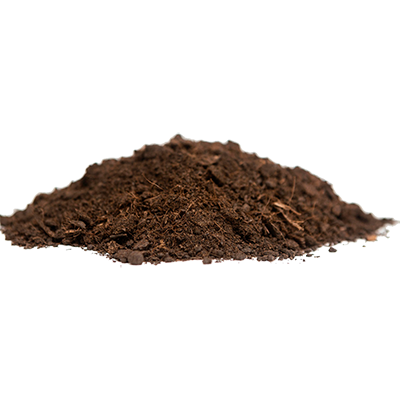
If there is one gardening supply that makes or breaks plant success in Dubai, it is potting soil. The quality, composition, and drainage characteristics of your growing medium affect every aspect of plant health — from root development and nutrient uptake to water retention and microbial activity.
What Makes Good Potting Soil for Dubai?
Excellent drainage. Dubai's intense heat means that waterlogged soil rapidly becomes anaerobic and deadly to roots. Quality potting soil for the UAE must drain freely while retaining enough moisture to keep roots hydrated between waterings.
Good aeration. Roots need oxygen as well as water and nutrients. Well-structured potting soil maintains air pockets between particles even when wet — preventing the soil compaction that suffocates roots.
Nutrient content. Quality potting mixes include a base level of nutrients — typically from composted organic matter and added slow-release fertiliser — to support plants through their initial establishment period.
pH appropriateness. Most plants prefer a slightly acidic to neutral pH (6.0–7.0). Dubai's native soil and tap water tend to be alkaline — quality potting mixes are formulated to maintain appropriate pH levels.
Organic matter content. Composted bark, coir fibre, peat moss, and composted plant material all contribute to the moisture retention, aeration, and microbial activity that make a potting mix genuinely supportive of plant health.
Types of Potting Soil Available in Dubai
General purpose potting mix — suitable for most indoor plants, outdoor ornamentals, and general container growing. The everyday workhorse of Dubai gardening.
Succulent and cactus mix — formulated with extra drainage material (coarse sand, perlite, pumice) for plants that are highly susceptible to root rot in standard potting mixes. Essential for succulents, cacti, desert rose, and other drought-adapted species.
Fruit tree and vegetable mix — enriched with higher levels of organic matter and nutrients to support the more demanding nutritional needs of productive plants. Recommended for container-grown mango trees, citrus, herbs, and vegetables.
Orchid mix — a highly specialised, extremely free-draining medium composed largely of bark chips, designed for epiphytic orchids that naturally grow on tree surfaces rather than in soil.
Seed starting mix — a fine, low-nutrient medium designed for germinating seeds and rooting cuttings. Not suitable as a long-term growing medium but excellent for propagation.
Soil Amendments Worth Adding in Dubai
Even quality potting mixes can benefit from amendments in the UAE's demanding conditions:
Perlite — lightweight volcanic glass particles that dramatically improve drainage and aeration. Adding 20–30% perlite to standard potting mix creates an excellent medium for most UAE plants.
Vermiculite — helps retain moisture and nutrients in fast-draining mixes. Particularly useful for plants that prefer consistently moist soil.
Coir fibre — made from coconut husks, coir is an excellent sustainable peat substitute that improves moisture retention and soil structure.
Composted organic matter — adding quality compost to garden soil or potting mixes dramatically improves nutrient levels, microbial activity, and water retention.
Horticultural sand — coarse sand (not fine building sand) improves drainage in heavy or compacting mixes.
Plant Pots Dubai Online — Choosing the Right Container
The pot you choose for your plants is far more than an aesthetic decision. Pot material, size, drainage provision, and colour all have meaningful impacts on your plants' health — particularly in Dubai's extreme climate.
Pot Materials — What Works Best in Dubai
Ceramic and glazed pots — beautiful, heavy, and moisture-retaining. Glazed ceramic pots are excellent for indoor plants and shaded outdoor positions, as the glaze reduces moisture evaporation through the pot walls. Less suitable for full-sun outdoor positions in Dubai's summer — dark glazed pots can absorb heat and damage roots.
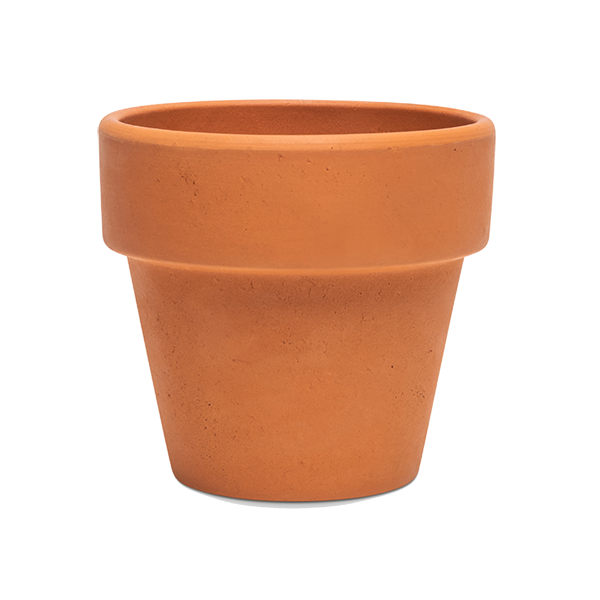
Terracotta pots — the classic choice for good reason. Terracotta is porous, allowing air and moisture exchange through the pot walls — excellent for plant health, particularly for succulents, cacti, and Mediterranean herbs that prefer drier conditions. The porosity also means they dry out faster, which is actually beneficial for many drought-tolerant plants popular in Dubai.
Fibreglass pots — an increasingly popular choice for Dubai's outdoor environments. Lightweight (important for balconies with weight restrictions), durable, UV-resistant, and available in a vast range of styles that convincingly mimic stone, concrete, ceramic, and metal. Excellent value for large statement pots.
Plastic nursery pots — functional, affordable, and practical. Retain moisture well. Not the most attractive option but perfectly suitable for plants that will be placed inside decorative outer pots or cachepots.
Concrete and stone pots — extremely heavy (critical consideration for balconies) but beautiful and durable. Retain temperature well — useful in winter but potentially problematic in summer's intense heat for sun-exposed positions.
Self-watering pots — an increasingly popular option for busy Dubai residents. A reservoir at the base of the pot provides water to roots through capillary action, reducing watering frequency and preventing both under and overwatering. Particularly useful for indoor plants and balcony gardens.
Metal pots — visually striking but problematic in Dubai's outdoor sun. Metal conducts heat rapidly and can reach temperatures that damage roots in direct sunlight. Best reserved for indoor or shaded positions.
Pot Size — Getting It Right
Choosing the correct pot size is one of the most important and most frequently misunderstood aspects of container gardening. Common mistakes include:
Too small — root-bound plants are stressed, prone to drying out rapidly, and unable to take up adequate nutrients. Repot into the next size up when roots begin emerging from drainage holes.
Too large — oversized pots hold more soil than the plant's root system can utilise, leading to waterlogged conditions around the roots and increased risk of root rot. A common mistake with small plants placed in large decorative pots.
General sizing guidance:
- Small indoor plants (pothos, succulents, small snake plants): 10–20cm diameter pots
- Medium indoor plants (peace lily, ZZ plant, rubber plant): 20–30cm diameter pots
- Large indoor plants (areca palm, monstera, large snake plant): 30–45cm diameter pots
- Fruit trees in containers: 40–80 litre containers depending on species and age
- Balcony statement plants: 30–60cm diameter containers
Drainage — Non-Negotiable
Every pot used for plant growing in Dubai must have adequate drainage holes. Without drainage, water accumulates at the bottom of the pot, creating anaerobic conditions that rapidly cause root rot — one of the most common causes of plant death in Dubai. If you fall in love with a decorative pot that lacks drainage holes, use it as a cachepot — placing a well-draining nursery pot inside the decorative outer pot.
Fertilisers — Feeding Your Plants in Dubai's Demanding Conditions
Dubai's fast-draining soil and intense growing conditions mean that plants deplete available nutrients rapidly. A consistent, appropriate fertiliser programme is essential for healthy, productive plants in the UAE.
Types of Fertiliser Available in Dubai
Slow-release granular fertiliser — pellets or granules that release nutrients gradually over 3–6 months. The most convenient option for busy Dubai residents — apply once and let it work. Excellent for outdoor garden plants, fruit trees, and established container plants.
Liquid fertiliser — fast-acting, water-soluble nutrients applied with irrigation water. Ideal for giving plants a quick nutritional boost during active growth periods. Requires more frequent application than slow-release options but allows more precise control.
Organic fertiliser — composted manure, worm castings, seaweed extract, and other natural nutrient sources. Slower-acting than synthetic options but improve soil structure and microbial activity as well as feeding plants. An excellent long-term approach to improving Dubai's challenging soil conditions.
Specialist fertilisers — citrus fertiliser, rose fertiliser, orchid fertiliser, and other category-specific formulations are optimised for the particular nutritional needs of those plant groups. Worth using for demanding or specialist plants.
NPK — Understanding What Your Plants Need
Fertiliser labels display an NPK ratio — the proportions of Nitrogen (N), Phosphorus (P), and Potassium (K) in the product. Understanding this helps you choose the right fertiliser for your plants' current needs:
High nitrogen (N) — promotes leafy, vegetative growth. Use for foliage plants and during the early establishment phase of fruiting plants.
High phosphorus (P) — promotes root development and flowering. Use when establishing new plants and to encourage fruit trees to flower and set fruit.
High potassium (K) — promotes fruit development, disease resistance, and overall plant strength. Use on fruiting plants during the flowering and fruiting season.
Balanced NPK (equal proportions) — suitable for general maintenance feeding of established plants. A good default for most indoor plants and ornamental outdoor plants.
Watering Equipment — Efficiency in Dubai's Arid Climate
Water management is arguably the most critical aspect of gardening in Dubai. The UAE faces genuine water scarcity, and responsible gardening means using water as efficiently as possible while keeping plants healthy.
Drip Irrigation Systems
The gold standard of efficient watering for UAE gardens and balconies. Drip systems deliver water directly to the root zone of each plant through small emitters, minimising evaporation and surface runoff. A timer-controlled drip system is transformative for Dubai gardeners — particularly during summer, when consistent watering is essential but hand-watering in the heat is genuinely unpleasant.
Watering Cans
The everyday tool for indoor plant care and small balcony gardens. Choose a watering can with a long, narrow spout for precise watering of individual plants without soaking foliage or splashing soil.
Hose Pipes and Spray Nozzles
For larger outdoor gardens and terrace collections. An adjustable spray nozzle that offers both fine mist and direct stream settings is versatile enough for most UAE garden watering tasks.
Self-Watering Devices
Terracotta watering spikes, glass globe waterers, and drip bottles are useful for extending the time between manual waterings — particularly valuable for indoor plants during Dubai residents' frequent travel periods.
Pest Control — Managing Dubai's Garden Challenges
Dubai's warm, humid climate creates favourable conditions for a range of plant pests. Staying ahead of pest problems is far easier than dealing with established infestations — regular inspection and early intervention are key.
Common Plant Pests in Dubai
Spider mites — extremely common in Dubai's dry, air-conditioned indoor environments. Look for fine webbing on leaf undersides and a stippled, dusty appearance on leaves. Treat with neem oil spray or specific miticide.
Mealybugs — white, cottony clusters at leaf joints and on stems. Common on indoor plants in Dubai. Remove manually with isopropyl alcohol on a cotton swab, then treat with neem oil.
Scale insects — brown or tan bumps on stems and leaf undersides. Common on citrus and many indoor plants. Treat with horticultural oil or neem oil.
Whitefly — clouds of tiny white insects that fly up when plants are disturbed. Common in outdoor Dubai gardens. Treat with insecticidal soap or yellow sticky traps.
Fungus gnats — small flies around indoor plants. Their larvae damage roots in consistently moist potting soil. Allow soil to dry more thoroughly between waterings and treat with beneficial nematodes or BTi (Bacillus thuringiensis israelensis).
Pest Control Products Available in Dubai
Neem oil — a versatile, organic pest control product effective against a wide range of common plant pests. Safe for use on indoor and edible plants. Available from quality online nurseries and garden suppliers in Dubai.
Insecticidal soap — effective against soft-bodied insects including aphids, mealybugs, and whitefly. Safe for most plants and relatively low toxicity.
Horticultural oil — suffocates scale insects and other hard-bodied pests. Effective and relatively safe for use around the home.
Systemic insecticides — chemical insecticides that are taken up by the plant and kill insects that feed on it. Highly effective for severe infestations but not suitable for edible plants.
Pruning and Garden Tools — Quality Makes a Difference
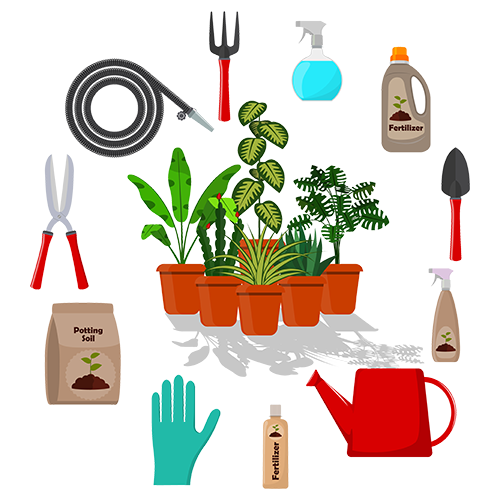
The right tools make gardening in Dubai significantly more enjoyable and effective. Key tools every Dubai gardener should have:
Bypass pruning secateurs — the most important garden tool. Quality bypass secateurs (Felco, ARS, or similar professional brands) make clean cuts that heal quickly and don't crush stems. Worth investing in a quality pair — they'll last decades with proper care.
Loppers — for cutting branches too thick for secateurs. Essential for fruit tree management and larger shrubs.
Hand trowel and fork — for container planting, soil mixing, and surface cultivation. Choose stainless steel for durability in Dubai's conditions.
Garden gloves — quality gloves protect hands from thorns, soil, and pest control chemicals. Choose a breathable material for comfort in Dubai's heat.
Kneeling pad — for outdoor garden work. Dubai's hard ground and intense sun make a quality kneeling pad a surprisingly important comfort item.
Spray bottles — for misting humidity-loving plants, applying liquid fertiliser, and spot-treating pests with neem oil or insecticidal soap.
Grow Lights — For Dubai Apartments With Limited Natural Light
While Dubai has abundant sunshine outdoors, many apartment interiors — particularly rooms away from the main windows — receive insufficient natural light for plant growth. Grow lights bridge this gap, enabling plants to thrive in positions that would otherwise be too dark.
LED grow lights are the modern standard — energy-efficient, low-heat, long-lasting, and available in a range of sizes from small desk-top units suitable for a single plant to full-spectrum panel lights capable of supporting a significant indoor garden. Grow lights have made indoor plant growing genuinely viable in even the most light-challenged Dubai apartments.
Where to Buy Gardening Supplies Online in Dubai
Finding quality gardening supplies in Dubai used to mean a trip to the nurseries of Al Warsan or the garden sections of large hypermarkets. Today, buying gardening supplies online in Dubai gives you access to a wider, better-curated range than most physical stores — delivered conveniently to your door.
At Intraflora Nursery, we stock a comprehensive range of gardening supplies alongside our plant collection — so you can get everything you need for your Dubai garden, balcony, or indoor plant collection in a single order:
- Quality potting mixes for every plant type and growing situation
- A wide range of plant pots in every style, size, and material
- Fertilisers — slow-release, liquid, organic, and specialist formulations
- Pest control products — neem oil, insecticidal soap, and more
- Watering equipment and irrigation solutions
- Pruning tools and garden accessories
- Grow lights for low-light indoor positions
All orders are delivered across Dubai and the wider UAE — quickly, reliably, and with the packaging care that living plants and quality supplies deserve.
Recent Posts

Plant Gifts Dubai: The Complete Guide to Giving Living Gifts That Last

Balcony Plants Dubai: The Complete Guide to Transforming Your Outdoor Space

Buy Lemon Tree UAE: The Complete Guide to Growing Citrus in Dubai and Beyond

Mango Tree Dubai: The Complete Guide to Growing, Buying & Caring for Mangoes in the UAE

Office Plants in Dubai: The Complete Guide to Greening Your UAE Workplace

Plant Nursery Al Warsan: Dubai's Green Heart & Why Intraflora Nursery Calls It Home


Succulent Plants in Dubai: The Complete Guide to Growing, Styling & Buying in the UAE

The Best Plants for the UAE Climate: The Definitive Guide for Dubai & Beyond